1. Safety first
The team confirms the vehicle is released, then suits up and secures the area around it.
Brodhead, WI · Green County
Call (877) 812-4220 if a vehicle in Brodhead needs more than a wash. The work includes cleaning up blood and body fluids, treating smells that cling to fabric and disposing of contaminated parts.
If anyone is in danger, call 911 first. For a suicide crisis, call or text 988.
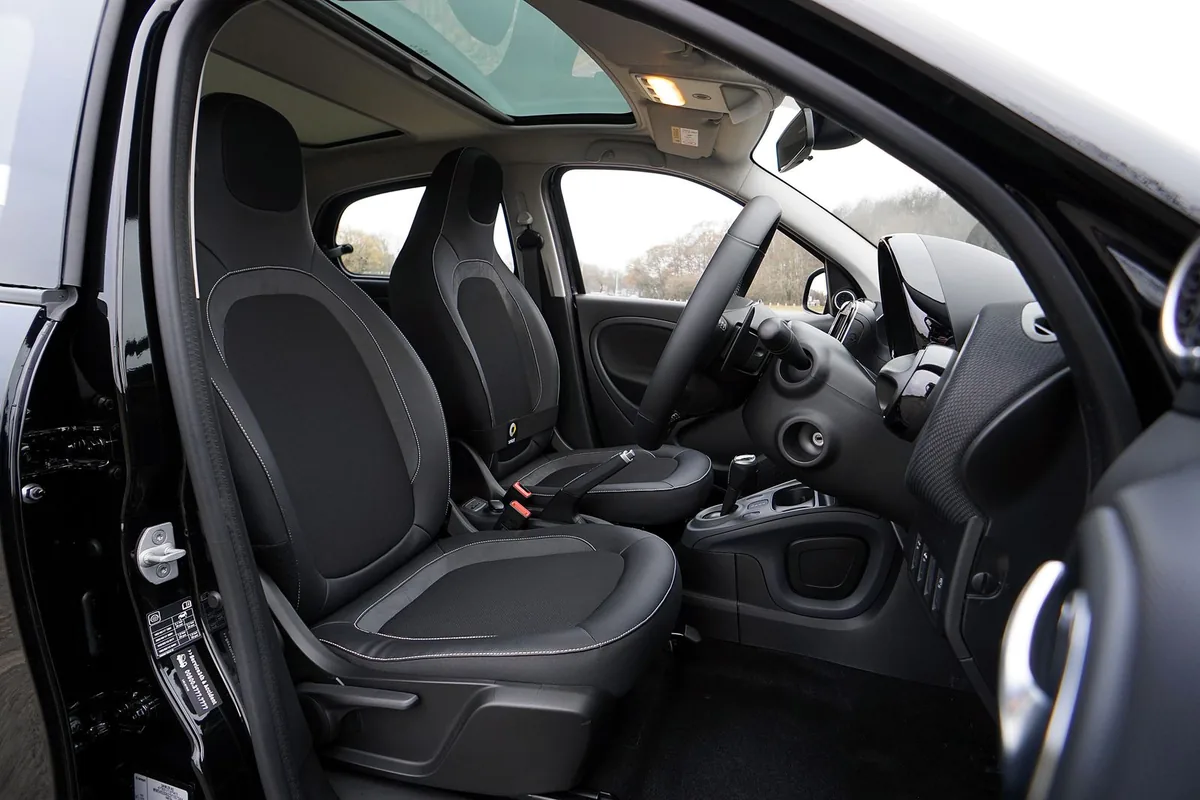
Biohazard cleaning for vehicles also includes odor removal. Smells from body fluids or decomposition cling to foam, headliners and ventilation, so treatment targets the source and the air system.
If your vehicle is contaminated in Brodhead, treat it as a possible exposure risk and call Brodhead Biohazard Cleanup Help. Crews contain the cabin, protect the people nearby and check each affected area before handing the keys back to you.
Rain, humidity and heat in Brodhead all work against a contaminated vehicle. The sooner the source is removed, the easier the odor is to clear. Anyone hurt in a vehicle incident should be seen at The Monroe Clinic in Monroe or by a doctor before anyone thinks about the cabin.
What vehicle biohazard cleanup covers:
The team confirms the vehicle is released, then suits up and secures the area around it.
Cleaners set up protection, seal off the working area and keep people away from the vehicle.
Soaked seat foam, carpet and padding are taken out and bagged. Hard surfaces are cleaned, then disinfected with EPA-registered products.
Waste is packed for regulated disposal. A final visual check makes sure nothing was missed.
Most vehicle biohazard cleanup jobs in Brodhead, WI cost between $500 and $5,000, based on published cost guides.
After-hours calls and urgent timing can change the rate, since crews are pulled from other work to respond.
| Type of job | Typical range |
|---|---|
| Vehicle biohazard cleanup | $500 - $5,000 |
Estimates only, not a quote. Sources: BioCleaners Directory. Price drivers include type of interior materials, how serious the event was, time since the event, air system decontamination. Call (877) 812-4220 to talk through the job.
It may, or it may not. It depends on whether an insurer, a salvage record or a title brand noted the contamination. Ask the seller, the insurer or the title office, and keep cleaning records.
A small spill on a hard surface can be cleaned with gloves, eye protection and an EPA-registered disinfectant. Do not do it with an open cut, and do not use the car until fluids that soaked into fabric are removed. For larger spills, call a cleanup team.
Yes. A regular detail cleans dirt and stains with household products. Biohazard car detailing starts with decontamination, then moves to restoring the finish. Skipping the first step leaves germs and odor behind.
A biohazard car is a vehicle with blood, vomit, urine, feces or other hazardous material inside. It may look only stained, but the fluids can soak into foam and carpet and keep spreading odor and germs.
A salvage vehicle is one an insurer has declared a total loss. Some are also tagged for contamination when blood or fluids were involved. Labels and rules vary, so ask the insurer or the state title office what applies to a specific vehicle.
Yes. Blood can carry bloodborne pathogens such as hepatitis B and HIV. Dried blood can still be hazardous, and enclosed cabins hold odor. That is why the area is cleaned with protection and disinfected.
One call starts the cleanup, disinfection and disposal.
Call (877) 812-4220